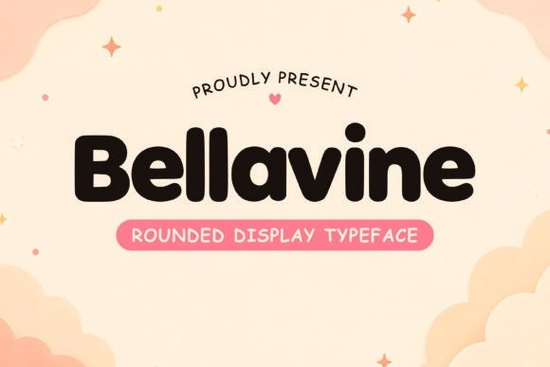
Finding a typeface that balances friendliness with legibility often takes time for creators who prioritize warmth in their visuals. The Bellavine Font addresses this specific need by offering rounded shapes that feel approachable yet distinct. It works well for small business owners who want their logo to stand out without appearing unprofessional. Before committing to a full purchase, you can explore Bellavine to see how the characters behave at various sizes. This type supports both casual branding and structured headlines while maintaining high readability across screens.
Why this rounded style suits modern merchandising
If you are selling printed products, the weight of the letters matters significantly. Standard sans-serifs often look cold or corporate, but Bellavine brings a softness that invites engagement. Its chunky letterforms provide excellent visibility when scaled down, which helps when printing on small items like phone cases or mugs. Many users appreciate that the stroke widths remain consistent, preventing blurry edges in low-resolution prints. For those looking for a similar cheerful atmosphere, the Bubble Groovy set provides a comparable energy if you need extra variety in your collection.
The design includes smooth curves that soften sharp corners, making it ideal for children’s products or lifestyle brands. When applied to packaging, these subtle changes in geometry create a tactile feeling even on paper. You will find that pairing this display face with a simpler script creates a nice visual hierarchy. It acts as the primary headline, anchoring the message while allowing secondary text to breathe. This versatility means you do not have to switch tools between your logo design phase and your marketing graphics.
When to choose a contrasting heavy weight instead
While Bellavine is excellent for a friendly tone, some projects require a sturdier presence. If your brand identity leans towards industrial or mechanical themes, the softer edges of Bellavine might not align perfectly with your visual goals. In those instances, a more structural option can provide the necessary backbone. Consider switching gears to Rivet Construction if you are building a design that needs to convey reliability and strength rather than playfulness. This shift in typography signals stability to the consumer instantly.
On the other extreme, some campaigns target audiences who respond better to raw aesthetics. If you are designing album covers or streetwear graphics where rebellion is the theme, standard cuts can fall flat. For an edgier appeal, explore options like Toxic Misfits. These styles allow for greater variation in shape and line weight, providing a stark contrast to the uniformity of rounded faces. Choosing the right tool depends entirely on the emotional response you wish to trigger in your viewer.
Integrating textured elements for a vintage touch
Sometimes a clean font lacks the history required for a nostalgic campaign. A classic distressed look adds depth that pure vector lines cannot achieve alone. If you need to evoke a sense of age or hand-crafted quality alongside Bellavine, mixing in a stencil style can bridge that gap. Look at resources like Dusty Stencil to layer over your main imagery. Combining the two creates a dynamic composition that feels curated rather than mass-produced.
It is important to remember that font licensing varies, especially when combining multiple families from a marketplace. Always check the terms associated with each individual download before distributing merchandise. Additionally, pairing Bellavine with a handwriting style can mimic a sign-painter effect found in local diners. Fonts such as Eaorine Request offer a personalized touch that complements the rigid blockiness of display fonts. Using these combinations strategically enhances the story behind the product without cluttering the layout.
Finalizing your file setup for production
Once you have selected the right type for your vision, ensuring the output matches your printer specifications is crucial. Most print-on-demand platforms require vectors or high-resolution bitmaps to prevent pixelation. Make sure you export your final artwork in SVG or PNG formats with transparent backgrounds. Testing your design on a mockup before uploading saves money and reduces revision time.
Quick Pre-Upload Checklist
- Verify Licensing: Confirm commercial use rights cover the number of physical units you intend to sell.
- Check Resolution: Ensure your images are at least 300 DPI for clear ink transfer.
- Test Readability: Zoom out to check if kerning remains tight or becomes messy on small screens.
- Convert Outlines: Turn text to outlines in your design software to avoid missing font files later.
- Cross-Color Test: Preview your graphic on both light and dark product colors for contrast.
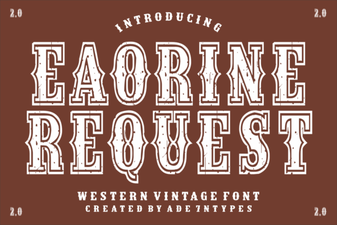 Unlock Creativity with Eaorine Request Font Projects
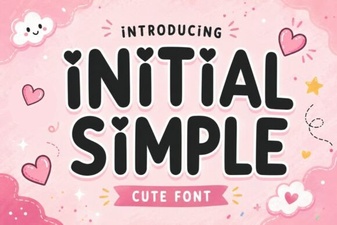 Simple Font Designs for Better Usability & Creativity
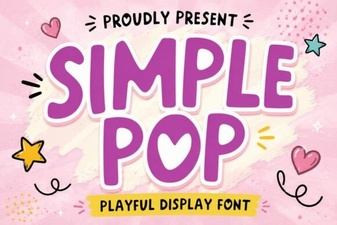 The Simple Pop Font for Readable, Creative Designs
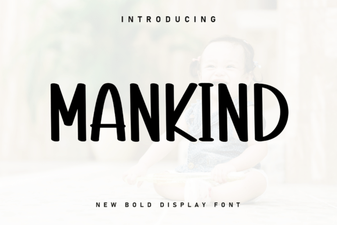 Unleash the Potential of the Mankind Font
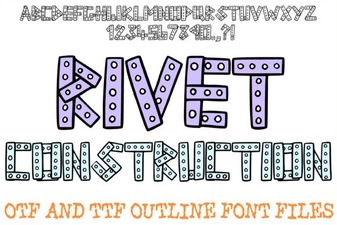 Rivet Font: Build Bold Designs
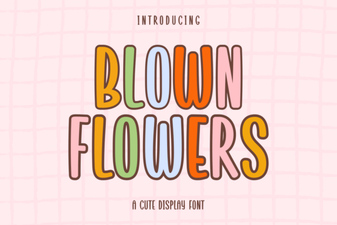 Blown Flowers Font: a Creative Typography Resource