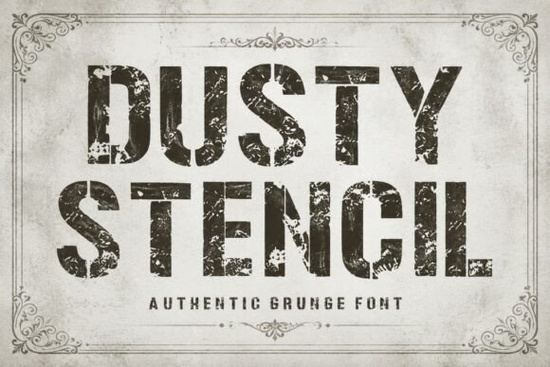
If you have been looking for a way to give your graphic projects a gritty, authentic feel, Dusty Stencil Font is a strong candidate to consider. Designed with vintage military markings and weathered packaging in mind, this typeface brings a distinct character that standard fonts often lack. Whether you are working on a poster, creating custom apparel designs, or setting up signage for a workshop, the distressed texture adds immediate visual interest. It is versatile enough to serve multiple industries while maintaining high legibility despite its rugged aesthetic.
Which Projects Benefit Most From This Rugged Look?
This font was created to mimic industrial signage and outdoor environments where durability and visibility matter most. For print-on-demand sellers, it is excellent for t-shirts featuring retro sports teams, hunting gear, or automotive brands that want to convey toughness. Because the letterforms are cut through thick lines, the font works well even when scaled down for product labels or merchandise tags. You might find yourself gravitating toward these types of designs when building a brand identity that values authenticity over polish.
When planning a campaign involving western themes or construction logos, pairing this heavy weight with simpler elements ensures the message remains clear. If your current library lacks strong display options, browsing collections like Futurion Font can show how structural typography impacts perception across different genres. While Futurion leans modern, understanding the balance helps you decide when a rougher texture like this is necessary versus a sleeker alternative.
Is the Text Still Easy to Read With Distressed Effects?
One common concern with grunge styles is whether they sacrifice readability for style. In this case, the design team managed to keep the characters distinct so users can easily identify individual letters. You can test the file by trying it out on dark backgrounds or overlaying it with textures. If you typically favor softer aesthetics, switching gears might feel surprising, but seeing a side-by-side comparison with options found in Simple Pop Font collections can clarify the difference. Those lighter, bolder scripts offer a contrasting vibe that helps highlight why you would choose the stencil look instead.
The texture creates a realistic aged effect without becoming illegible. This makes it a reliable tool for headlines rather than body copy, but it performs exceptionally well in slogans or taglines. When designing business cards or flyers, using this style for the primary logo or company name anchors the design visually. Just be mindful of contrast; white text on black works best to preserve the crisp edges of the stencil cuts.
How Can I Balance This Style With Other Collections?
No single style fits every project perfectly. Sometimes you need something playful or refined to break up the intensity of grunge graphics. If you are designing a wedding invitation, for instance, switching to Ravishing Font could provide the elegance required for that event while still keeping the display nature. Similarly, for holiday campaigns where festive cheer takes precedence, reviewing Santa Sugar Font options allows you to explore cursive, soft shapes that contrast sharply with hard-edged stencils.
Even though this specific typeface is built for impact, you do not have to limit yourself to one mood. Mixing it with cleaner typography can actually improve hierarchy in your layouts. For beginners who want stability, starting with Initial Simple Font resources offers a foundation before layering in complex textures. This approach prevents the design from looking cluttered while allowing the Dusty Stencil to act as the focal point.
Always remember that licensing matters when using these files commercially. Most Creative Fabrica downloads allow for both personal and commercial use, but checking the specific terms ensures you stay compliant. If you are ready to download this asset to start your next project, you can view details here: Dusty Stencil Font.
To get started effectively, follow this quick checklist before finalizing your artwork:
- Test High Contrast: Verify that the distressed parts do not blend into the background color.
- Check Kerning: Adjust spacing between letters manually if they overlap awkwardly after adding effects.
- Licenses: Confirm you have the right permission to sell physical products containing the design.
- Resolution: Export your final image at 300 DPI for printing and 72 DPI for web.
- Variations: Try converting the text to outlines for better compatibility across different software.
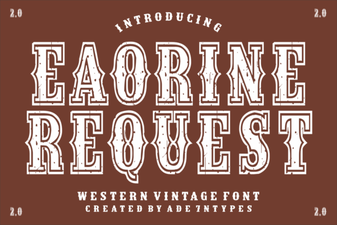 Unlock Creativity with Eaorine Request Font Projects
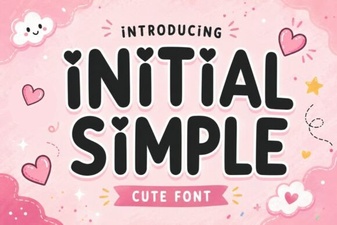 Simple Font Designs for Better Usability & Creativity
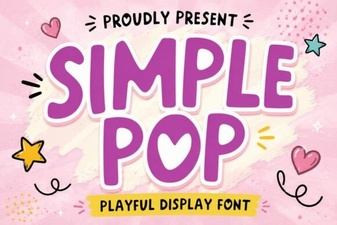 The Simple Pop Font for Readable, Creative Designs
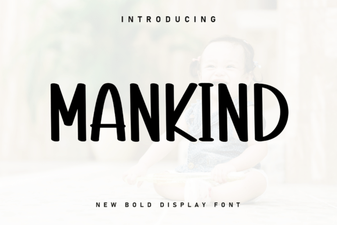 Unleash the Potential of the Mankind Font
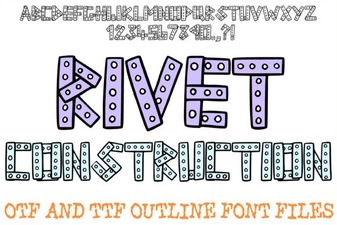 Rivet Font: Build Bold Designs
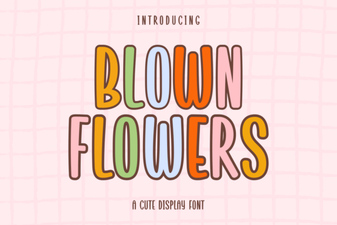 Blown Flowers Font: a Creative Typography Resource