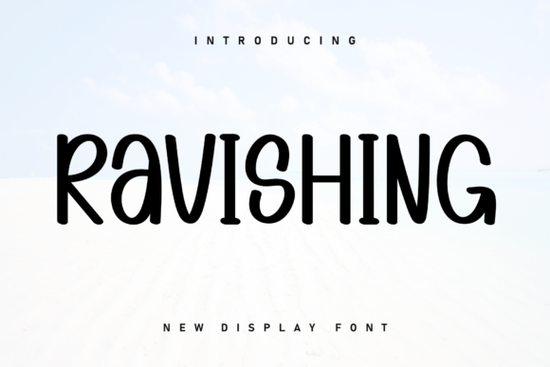
Creating designs that feel personal often requires more than just standard vector shapes. Sometimes you need something that looks touched by hand to convey authenticity. This is where a handwritten font with a marker finish becomes essential for standing out. If you are looking for something relaxed yet high-end, Ravishing brings a unique energy to your layout that balances structure with spontaneity.
The typeface mimics strokes made with a thick marker, giving letters an organic edge while maintaining clarity. Having a relaxed and sporty feel, it allows designers to inject personality without sacrificing professionalism. Whether you are working on branding assets or digital content, this script offers a touch of elegance that feels accessible rather than stiff.
Where does this marker style fit best?
The versatility of Ravishing makes it suitable for various commercial projects. Because the design leans toward luxury but keeps things casual, it avoids the overly formal look of traditional calligraphy. Instead, it lands right in the sweet spot of modern boutique aesthetics.
- Branding and Logos: Small businesses often want to signal friendliness alongside expertise. Using a marker-style font in a logotype can soften the visual identity, making the brand approachable.
- Wedding Supplies: Invitations and programs benefit from a hand-drawn quality. This font captures the emotion of special occasions without feeling dated or overly ornate.
- Fashion and Lookbooks: Marketing promotions for clothing lines need to catch the eye quickly. The sporty aspect of the strokes works well for streetwear labels or activewear collections.
- Greeting Cards: Personal messages carry more weight when they look written out. A consistent stroke width ensures readability even at smaller sizes.
How do you pair it with other elements?
Design success often depends on harmony between typefaces and images. When choosing supporting fonts or textures, consider the contrast between polished and rough. If you need a cleaner companion for headlines, you might look for geometric sans-serifs to ground the composition.
However, mixing different handwritten styles can sometimes create visual conflict. For instance, if your project has a heavy graphic element, a simpler script might get lost. In that case, exploring options like the rivet construction style could offer enough weight to balance out finer details elsewhere. Conversely, for softer themes involving nature, a floral-inspired display option creates a cohesive theme that complements botanical imagery perfectly.
Sometimes the project requires a fun, nostalgic twist rather than pure elegance. While Ravishing keeps a certain sophistication, switching gears to something bolder might be necessary for party invites or youth-focused campaigns. Comparing the mood against something like groovy bubble text helps determine if the current direction fits the audience expectations.
What about technical usability?
Crafters and print-on-demand sellers know that licensing matters just as much as the look. Before adding any asset to your store, verify the terms for commercial use. Most font packs allow you to place the type on physical goods, but restrictions exist on how many copies you can distribute digitally.
Another consideration is file format availability. You generally want access to both OpenType and TrueType files to ensure compatibility across design software. Some packages also include alternate characters for ligatures or swashes, which save time during manual adjustments. Checking these technical specs upfront prevents workflow interruptions later.
If your project demands a textured background, like wood or paper, pairing the smooth strokes with a rustic image adds depth. Styles such as stenciled text provide a rugged alternative that shares the same utilitarian charm but serves a different purpose. Choosing the right texture over the right letterform alone rarely solves the design problem; it is the combination that defines the final result.
Occasionally, clients ask for specific requests regarding spelling or abbreviations. A font that handles spacing well is crucial here. With request-style scripts, you can see how kerning behaves in cursive connections, which informs whether this specific type family supports long words comfortably.
Practical steps before finalizing your download
Before committing resources to a full campaign, take these quick checks:
- Preview in Context: Type out the actual business name or key phrase, not just random words, to judge the flow accurately.
- Check Contrast: Test the legibility at both large sizes and tiny resolutions, such as social media avatars.
- Licensing Review: Confirm the scope of the license covers your intended medium, especially for resale items.
- File Compatibility: Open the files in your primary software to ensure all glyphs render correctly.
Using the right typography changes how people perceive your message. It sets the tone before they read a single sentence. By selecting tools that match the emotional goal of your project, you streamline the creative process and produce work that resonates with your audience.
Explore Design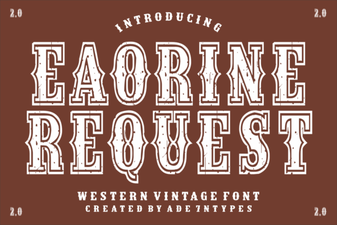 Unlock Creativity with Eaorine Request Font Projects
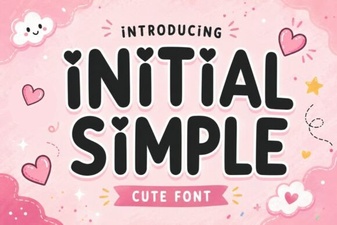 Simple Font Designs for Better Usability & Creativity
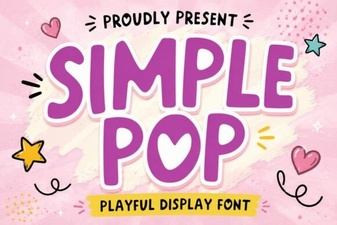 The Simple Pop Font for Readable, Creative Designs
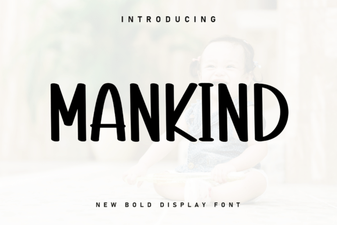 Unleash the Potential of the Mankind Font
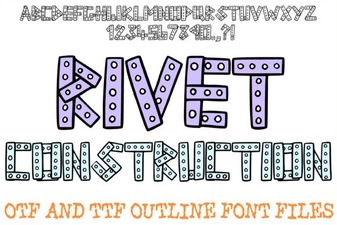 Rivet Font: Build Bold Designs
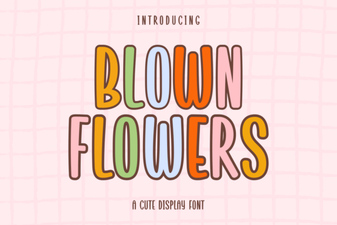 Blown Flowers Font: a Creative Typography Resource