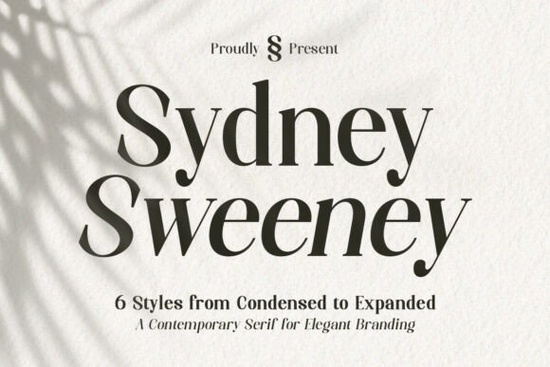
Finding the right typeface often comes down to how it feels, not just how it looks. Many creators look for something timeless yet current when starting a project, whether that involves selling t-shirts online or designing a luxury label. The Sydney Sweeney Font fits this need by blending old-world charm with new-school readability. It is a contemporary serif that balances sharp edges with graceful curves, making it suitable for high-end aesthetics. Whether you are working on a large display banner or a delicate invitation card, maintaining legibility is crucial while still expressing a strong visual personality.
Why choose a sophisticated serif for brand work?
Typefaces dictate the voice of your project before a single message is read. A good serif offers authority and warmth simultaneously. This specific family brings a sense of elegance through its balanced contrast in letter thickness. You get clear distinctions between thick and thin strokes, which helps guide the eye smoothly across lines of text. The carefully crafted letterforms ensure that even at smaller sizes, characters remain distinct and easy to recognize.
For small business owners building a premium identity, consistency matters. When you combine these refined characters with proper spacing, the result looks polished rather than rushed. Designers who appreciate structured layouts often enjoy exploring resources found within this modern typographic study. The harmonic proportions create a unified look that feels established and trustworthy. This quality makes it ideal for sectors like beauty, fashion, and lifestyle where presentation directly impacts perceived value.
Which design projects fit this family best?
While many fonts struggle outside their intended scope, this family adapts well across various media. It works beautifully in editorial layouts where columns of text need to feel inviting without losing readability. In the realm of packaging design, the graceful curves catch light differently, adding texture to flat surfaces. Logos created with these capital letters tend to hold up well on both digital screens and physical merchandise.
Crafters looking for print-on-demand opportunities also find great success here. Apparel graphics benefit from the sharp serifs because they cut cleanly through fabric textures. If you are planning a run of branded merchandise, selecting a typeface that stands out against complex backgrounds is key. The versatility allows you to switch between expressive headlines and supporting text without clashing. This fluidity saves time during the mockup phase.
Understanding the variations in the six styles
One of the strongest assets of this collection is the range of weights available. Moving from condensed forms to expanded widths gives you control over line length and white space. A condensed version helps pack information into tight areas, such as a spine label or a narrow vertical banner. Conversely, the expanded styles offer breathing room for impactful slogans where width adds to the drama. This range ensures you do not have to settle for awkward spacing adjustments later.
Beyond just width, the font maintains its character across all versions. You can pair the heavy styles with lighter weights for hierarchy without losing cohesion. It is worth noting that availability on platforms like Creative Fabrica simplifies access to these variations. For those interested in reviewing file specifics or testing different formats, searching for the Sydney Sweeney on the store helps confirm compatibility with your software. Always verify your licensing terms before moving to commercial production to protect your business interests.
Practical tips for pairing and sizing
To get the most out of any professional typeface, pairing it thoughtfully is essential. Using this script alongside sans-serif body copy creates a modern mix of tradition and simplicity. If you intend to use this for web titles, ensure the resolution supports the fine details of the serfs. Compression can sometimes blur sharp edges, so vector formats are preferred for scalability. Pay attention to kerning, especially around letters with diagonal elements, to prevent unintended gaps or collisions.
- Test at actual size: View your designs at full scale before printing to see how strokes behave.
- Contrast colors: Use dark tones for high readability on light backgrounds to preserve the crispness of the design.
- Limit styles: Stick to one or two weights per layout to maintain a cohesive visual language.
A final consideration is the overall composition of your piece. Don't let the font dominate the message; it should support it. When used correctly, this typography becomes part of the brand memory rather than just decoration. By focusing on structure and alignment, you maximize the impact of every pixel on screen or inch on paper.
Try It Free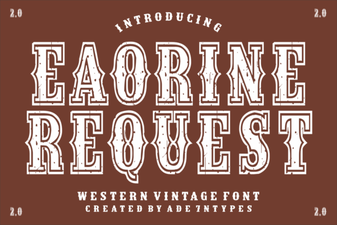 Unlock Creativity with Eaorine Request Font Projects
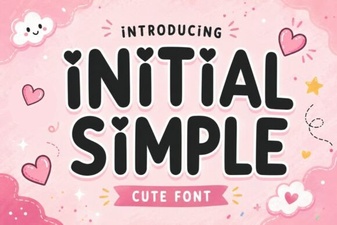 Simple Font Designs for Better Usability & Creativity
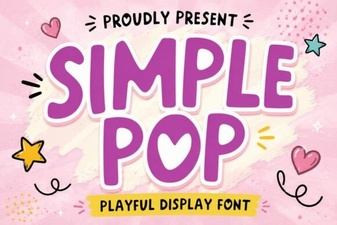 The Simple Pop Font for Readable, Creative Designs
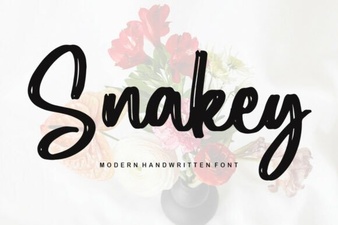 Design Ideas for Using the Snakey Font
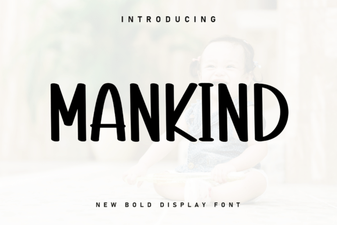 Unleash the Potential of the Mankind Font
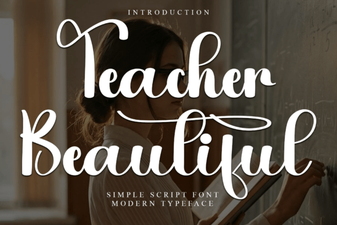 Beautiful Fonts for Teachers: Creative Design Projects